AI Is Not a Technology Rollout. It’s a Change Management Challenge.

We are approaching AI like a software implementation: buy the platform, provide training, launch a few pilots, and expect adoption to follow.
But AI is different.
Traditional technology changes what people use.
AI changes how people think, decide, create, and work.
That creates a very different kind of resistance.
Employees are not just learning a new tool.
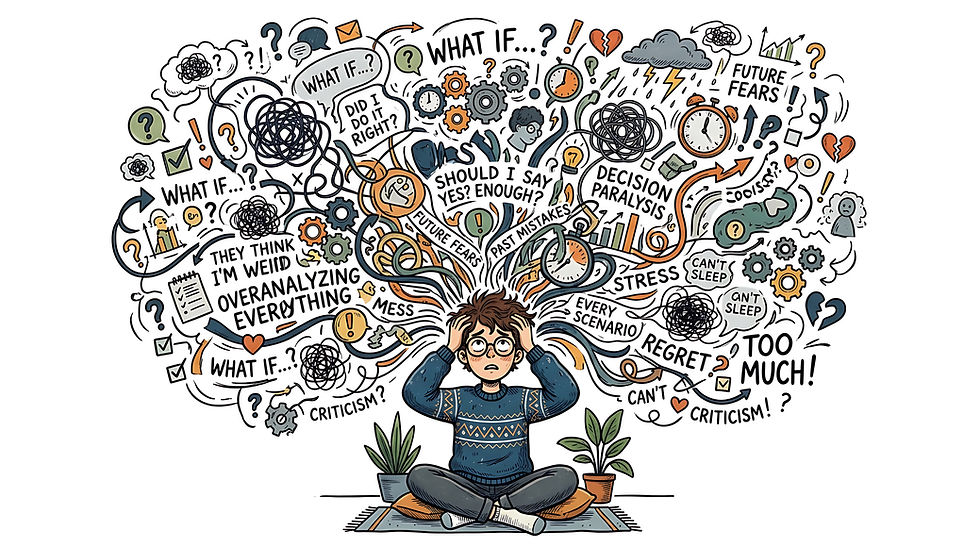
They are quietly asking harder questions: Will my role change? What skills still matter? Am I falling behind? If AI can do parts of my job, where do I fit?
Research from change management studies has repeatedly shown that uncertainty creates more resistance than the change itself. And AI introduces uncertainty at a scale many organizations have never experienced before.
This is why many AI initiatives struggle.
Organizations often underestimate the human transition required.
Successful AI adoption may depend less on prompt engineering and more on leadership communication, trust, psychological safety, and clarity around evolving roles.
The challenge was never simply deploying AI.
The challenge was helping humans make sense of who they become alongside it.